Explore Knowledge. Sustain the Future.
"My Digital Ecological Library" is an international project aimed at integrating environmental education into curricula and creating innovative educational materials. This project has been accepted by FR01 - Agence Erasmus+ France / Education et Formation and the project number is 2023-1-FR01-KA220-SCH-000160727.
Open Access Resources
Within the scope of the project, a cross-curriculum was developed for learners aged 12 to 18, structured across six proficiency levels. In line with this curriculum, a variety of open-access teaching and learning materials were produced to support teachers and educators. These resources are freely available for use, adaptation, and dissemination.
Teacher’s Guide
This guide provides educators with comprehensive instructions on how to implement the curriculum and effectively use the materials developed within the project. I includes practical tips, methodological recommendations, and step-by-step guidance for classroom application
Community Engagement
Connect with educators and researchers to collaborate, share experiences, and contribute to the platform.
About
MyEco-Library is born out of a shared responsibility to protect nature. Recognizing the critical role of education and youth in the fight against global climate change, the project aims to mobilize teaching and learning processes in a lasting and meaningful way. Education is the most powerful tool for shaping thoughts and behaviors. Today’s students understand that they are not only learning subjects, but also shaping the future. As educators, our mission is to foster lasting behavioral change and equip students with real-life problem-solving skills for environmental challenges. The Project addresses this reality by raising ecological awareness among lower secondary school students and promoting interdisciplinary learning methods that go beyond traditional instruction. In today’s Europe, environmental education is increasingly embedded into national curricula. In line with this shift, our project aligns its objectives, activities, and tangible results with EU priorities on sustainability and education. By training teachers, developing classroom-ready learning kits, and integrating them into existing curricula, we aim to contribute to a global goal.
Project Objectives & Key Results
My Digital Ecological Library is an innovative platform designed to provide free and eco-conscious access to educational and cultural resources across the globe.
- Analysis curricula to identify common learning outcomes related to environmental education.
- Development of interdisciplinary and engaging learning materials—videos, games, presentations, visuals, interviews, models, and sample lesson plans—available in partner languages and English.
- Creating Open Online Resources that include structured materials, goals, and methodologies.
- A Teacher’s Handbook (in national languages and English) with detailed methodology, content background, activity plans, and guidelines for using the OOC and materials effectively.
To explore the educational materials developed within the project, please visit our Library section, where you’ll find ready-to-use resources designed for teachers.
For detailed information on our project outcomes, please head to the Results section. If you would like to connect, ask questions, or share your own insights and experiences, we warmly invite you to become part of our growing network via the Community page. Together, we can empower the next generation to protect the planet through education.
News & Updates
News From My Digital Ecological Library.
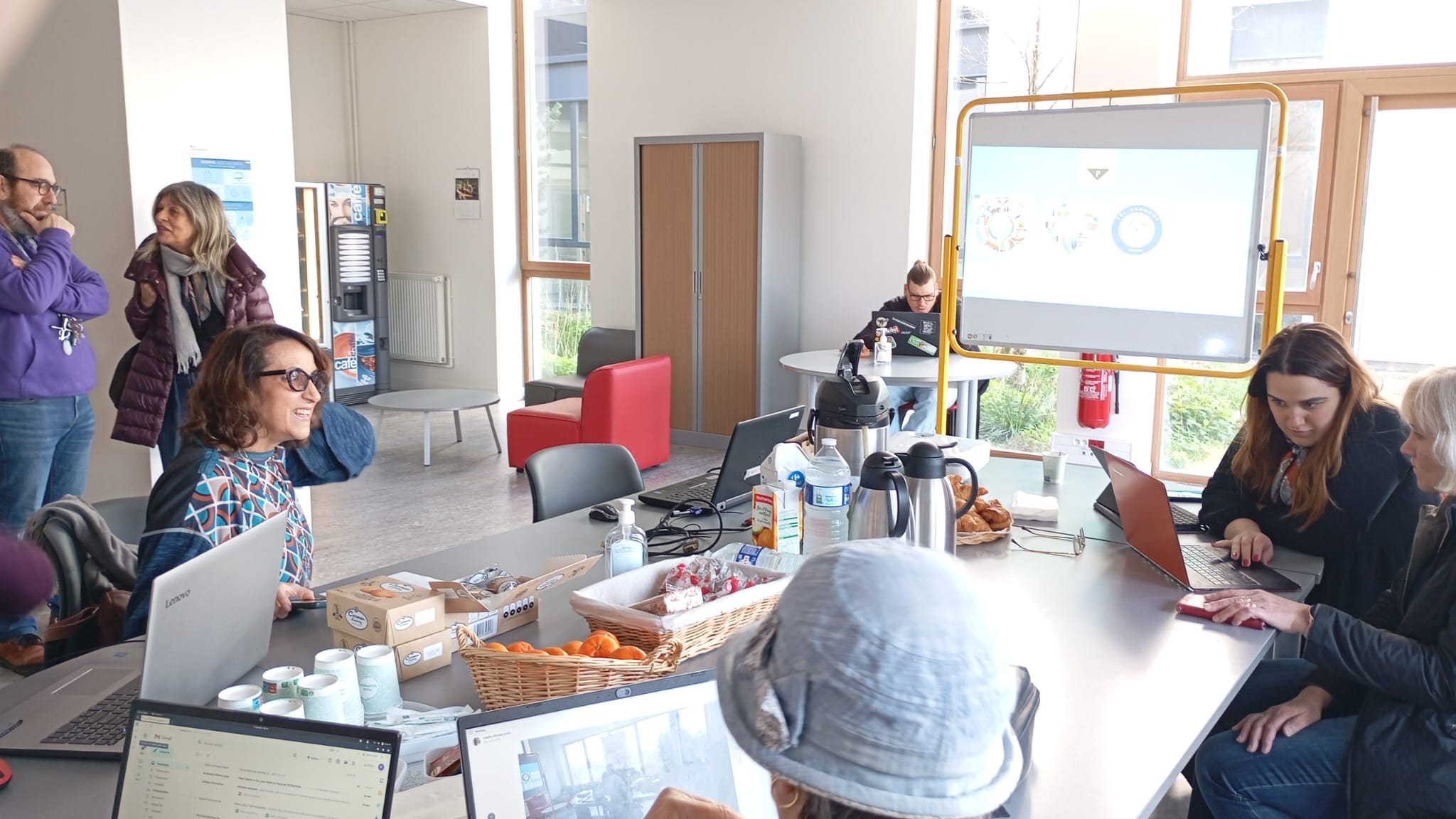
From March 17 to March 19, our school welcomed eight teachers from four European countries: Roman...
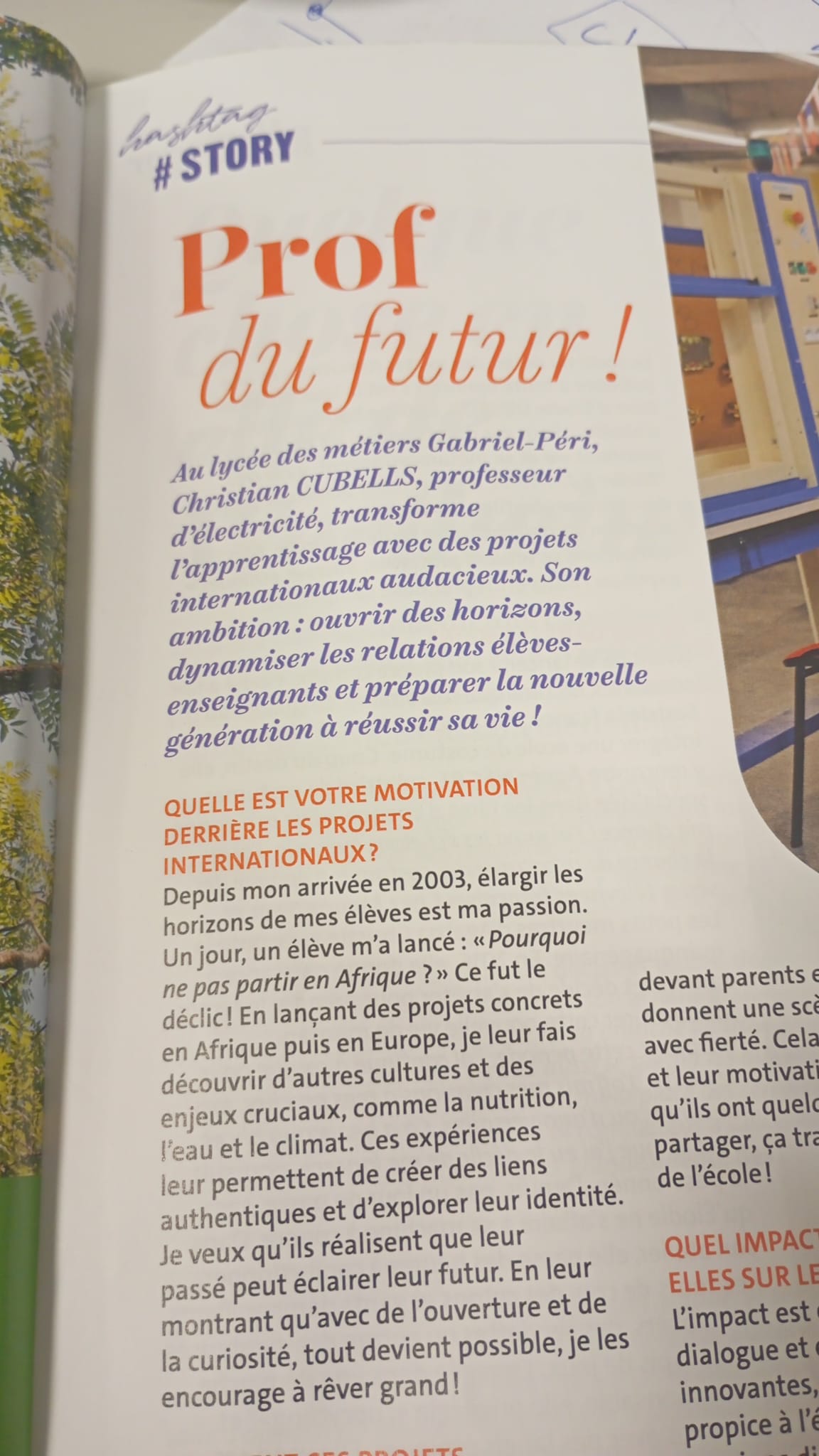
The article “Prof of the Future!” from the city magazine Notre Champigny (No. 589, February 2026)...

The lesson plan on watershed management, developed by colleagues at the Lycée des métiers Gabriel...
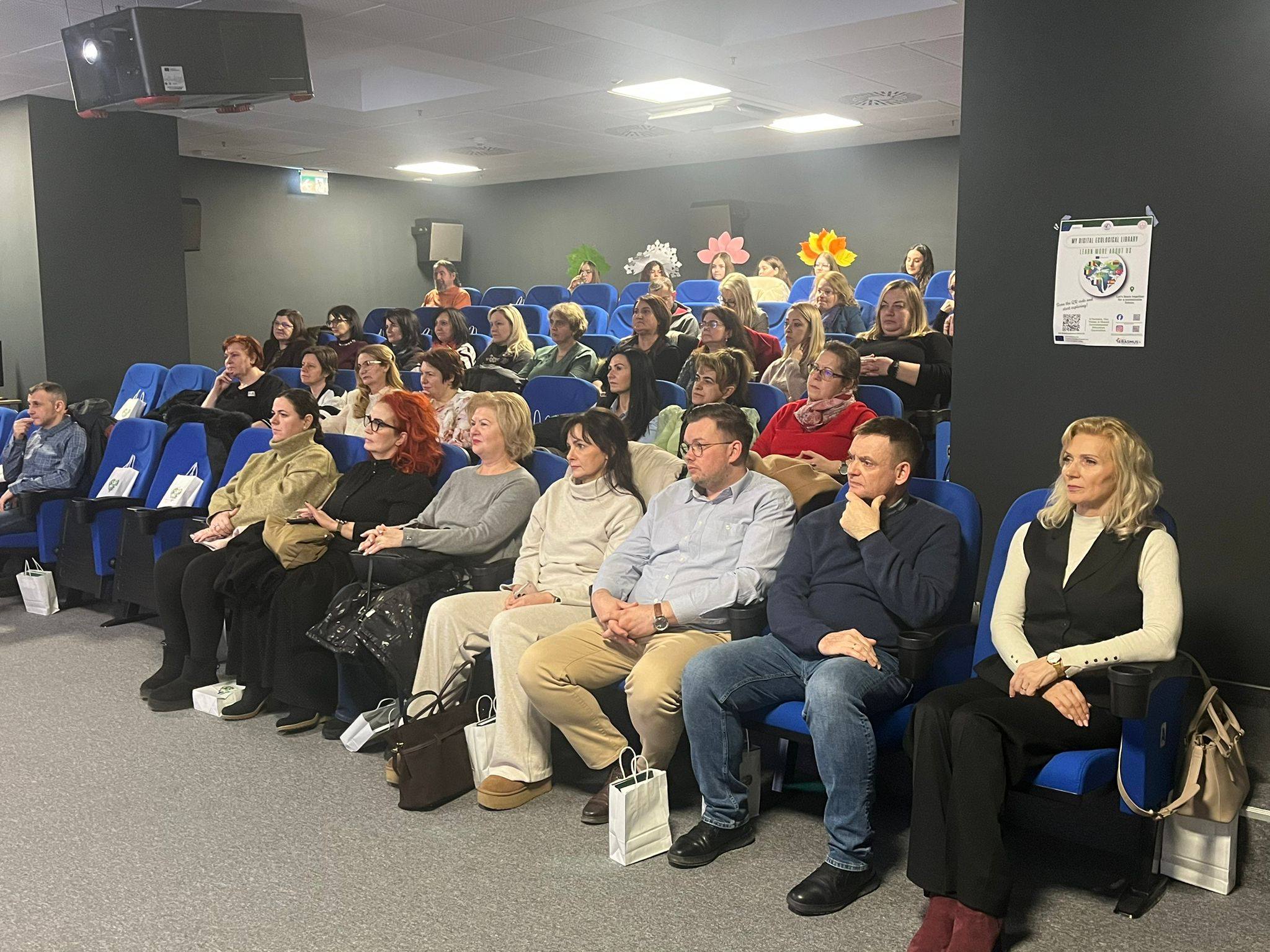
On 17 February 2026, the Erasmus+ project “My Digital Ecological Library” was successfully dissem...
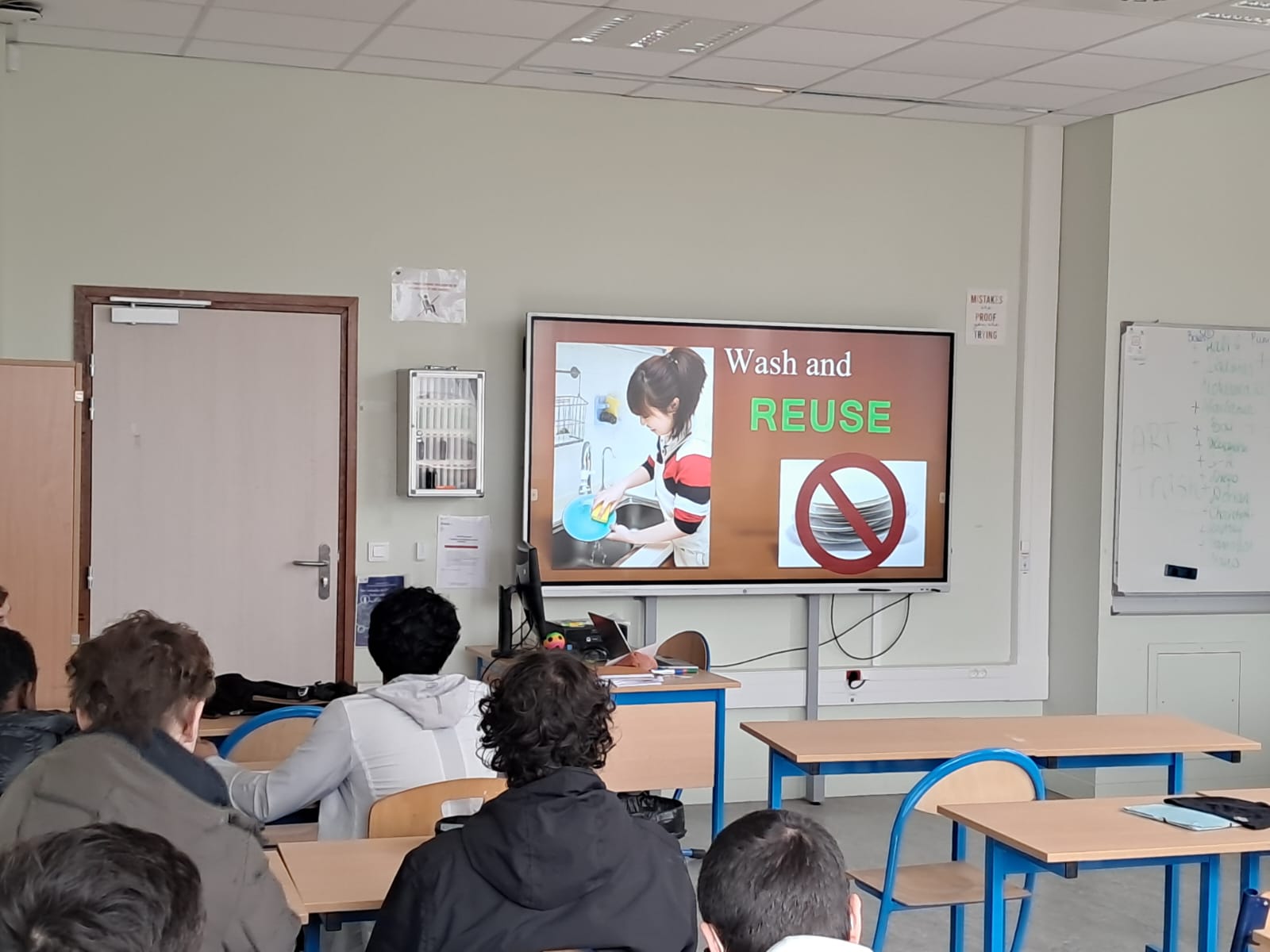
In February 2026, a teacher at Langelin Vallon, a newly established high school near Paris, Franc...
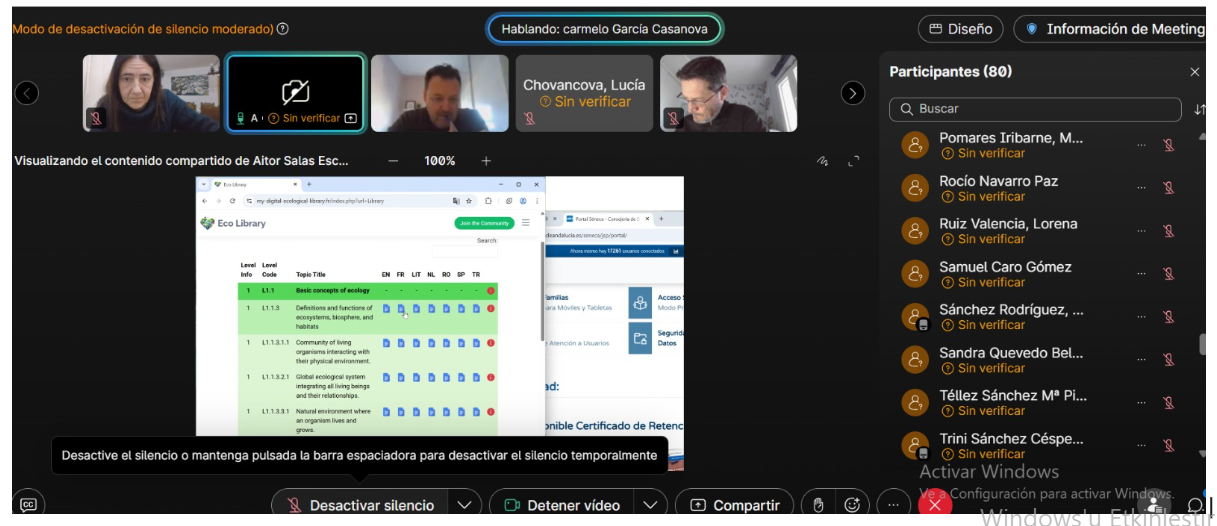
A school-based training session for teachers on Recapacicla was successfully organized in collabo...
Quarterly Newsletter
Browse our collection of monthly E-NEWS bulletins featuring ecological education highlights, student-led initiatives, and international collaborations. You can explore each bulletin in detail to stay informed about our ongoing impact and innovation efforts across the network.
This issue features cross-cultural student dialogues, eco-themed classroom activities, and teacher development workshops held in April 2024.
This bulletin covers June highlights, including teacher training sessions, student-led green events, and curriculum-based eco-learning modules.
Highlights from our ecological learning programs, student workshops, and community-based sustainability projects.
Explore July’s edition covering student mobility programs, green entrepreneurship initiatives, and community-driven ecological projects.
Discover our March 2025 edition: new curriculum strategies, international workshops, and global green school milestones.
November 2026: Student-led sustainability audits, advanced eco-curriculums, and the long-term impact of our global network.
February 2026: Explore international ecological collaborations, cross-cultural learning modules, and our network's latest innovation efforts.
Join Our Community
At the heart of our digital library is a diverse and collaborative community where learning and sharing go hand in hand. Here, educators, professionals, and changemakers don’t just access resources—they exchange ideas, share experiences, contribute their own materials, and thrive together. Whether you’re looking to broaden your perspective, launch a new project, or connect with like-minded peers, our community offers the space and support to make it happen.
Join UsLibrary
Explore our structured learning paths designed to promote ecological awareness, digital literacy, and global citizenship.
Level 1: Age 12-13
Learn the fundamentals of ecological sustainability, climate change, and the UN Sustainable Development Goals.
Level 2: Age 13-14
Explore the rights and responsibilities of digital users and the role of technology in shaping society.
Level 3: Age 14-15
Discover how to integrate sustainability themes into classrooms, curricula, and community learning.
Level 4: Age 15-16
Develop critical thinking and analysis skills in evaluating information sources, media content, and digital platforms.
Level 5: Age 16-17
Explore how innovation, clean technology, and circular economy principles drive sustainable transformation.
Level 6: Age 17-18
Learn how to apply your knowledge through community-based projects, civic engagement, and global collaboration.
Results: My Digital Ecological Library
Explore the core outputs of our project. Access comprehensive research, curriculum frameworks, pedagogical guides, and detailed project processes below.
Survey Reports
Examine our environmental education needs analysis, including comparative curriculum studies and focus group results from partner countries.
Cross-Curriculum
Access the interdisciplinary curriculum modules designed to integrate ecological protection and sustainability into secondary education.
Teacher’s Guide
A comprehensive pedagogical handbook providing step-by-step guidance on using the digital library and implementing STEAM-based ecological activities.
Project Processes
Discover the journey behind the project, including our development methodology, milestones, and collaborative efforts across Europe.
Contact Us
Contact us and share your ideas and needs!
Email Us - Christian Cubbels

cubells.christian@yahoo.fr
Email Us - Sebla Döner

erasmusforall2020@gmail.com
Email Us - Luc Zwartjes

luc.zwartjes@ugent.be